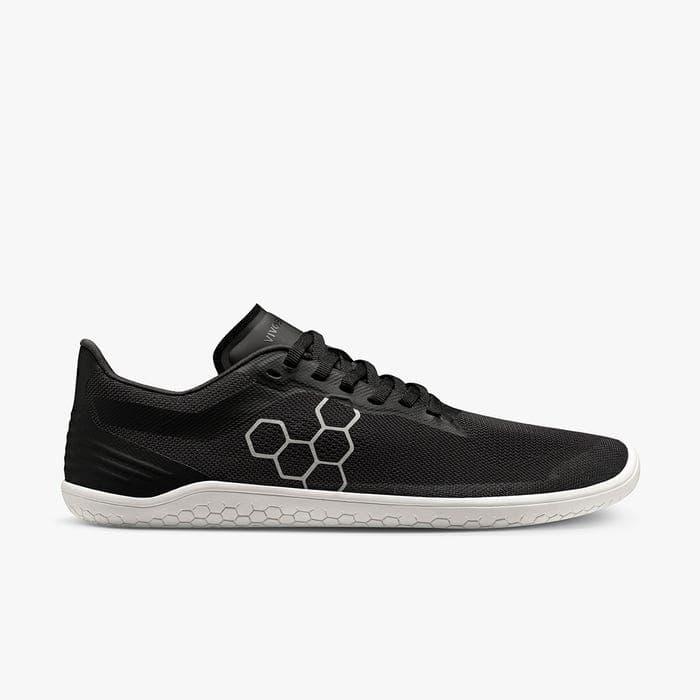
Tracker Forest ESC
Vivobarefoot

Tracker Forest ESC

$260

4.4(312 reviews)
10mm stack height
zero dropwide toe boxbarefootwaterproofhiking boot
View at Vivobarefoot →

External seller link. Confirm price, availability, and terms on the seller site.

Quick answer

Best framed as a capable outdoor boot for people already adapted to minimal footwear. A simpler trail shoe may be better for warm-weather walking or first transitions.

Decision rail

Fit snapshot

Vivobarefoot / Hiking · Tracker Forest ESC

Not a rating. A buying boundary.

Use when

Experienced minimalist-shoe users who want a boot for cold, wet, uneven terrain

Start here if the fit problem matches your real use case.

Skip if

You are new to barefoot footwear and need a forgiving first transition shoe

A useful catalog should also tell you when not to buy.

Evidence posture

Practice-based evidence posture

Claim details live below; do not read this as a cure or performance promise.

Buying context

$260 · reviewed Jun 2026

Compare the tool against simpler alternatives before paying for features.

Best framed as a capable outdoor boot for people already adapted to minimal footwear. A simpler trail shoe may be better for warm-weather walking or first transitions.

Compare retailers

Measurement check

What these specs change.

Use the known numbers and missing readings to decide fit, pressure dose, and transition demand before buying.

How to use these measurements

Use this to judge transition demand, not shoe goodness.

Tracker Forest ESC is being evaluated for what it asks your feet and calves to tolerate: ground feel, sole hardness, and fit space.

Buying decision:If you already tolerate minimal shoes, this can be a gym / walking / short-run option. If not, start with short sessions and keep a more protective shoe in rotation.

What we know

Stack height: 10 mm

Low stack usually means louder ground feedback and less cushioning. That can be useful, but only if exposure builds gradually.

Still needed

Outsole hardness

Outsole hardness is still unpublished, so a direct measurement is needed before comparing ground feel across shoes.

stack height

Stack height

10 mm

brand spec

bareplush

Method: Catalog field from current product data; confirm with calipers when doing a physical pass.

A lower stack usually increases ground feel and tissue demand, but transition history matters more than the number alone.

shore durometer

Outsole hardness

Not captured yet

WBC bench task

Next measurement: Measure outsole rubber at heel, midfoot, and forefoot; record three readings and the durometer scale used.

This is the missing spec behind a lot of ground-feel language. Do not infer it from marketing copy.

width

Internal forefoot width

Not captured yet

WBC bench task

Next measurement: Measure insole/footbed at the metatarsal heads in a fixed reference size.

This makes wide-toe-box claims comparable instead of relying on product photos.

Editorial take

Who this is really for

Evidence: Practice-basedReviewed: Jun 2026

The design is consistent with minimal footwear principles, but there is limited direct human evidence for performance benefits in this specific application.

Best framed as a capable outdoor boot for people already adapted to minimal footwear. A simpler trail shoe may be better for warm-weather walking or first transitions.

Best for

  • Experienced minimalist-shoe users who want a boot for cold, wet, uneven terrain
  • Hikers who value ground feel and foot-shaped fit more than maximal cushioning
  • Travel, farm, forest, or trail use where a durable leather barefoot boot makes sense

Avoid if

  • You are new to barefoot footwear and need a forgiving first transition shoe
  • You want a stiff, highly cushioned boot for heavy pack loads or sharp rocky terrain
  • You dislike leather break-in periods or need a lightweight summer trail shoe

Pros

  • Foot-shaped boot with zero-drop geometry and unusually high ground feel for a hiking boot
  • Weather-ready leather build fits cold, wet trail and outdoor-work use cases
  • Useful category example: serious boot protection without a raised heel or narrow toe box

Cons

  • Expensive and more specialized than a simple trail shoe
  • Minimal cushioning changes foot and calf loading on long hikes
  • Leather upper and boot structure can require real break-in time

Where to Buy

VivobarefootPrimary Source

Used, handmade & local

Marketplace links refresh through WBC's used-market endpoint, but listings are still external search pages — not endorsements.

API fallback

Marketplace caveat

  • Marketplace results are live search pages, not WBC endorsements. Verify condition, returns, shipping, and whether the listing is the actual item rather than accessories.
  • Used footwear is higher-friction: check sizing, sole wear, hygiene, return policy, and whether the prior wear pattern makes sense for your feet.

About

Full barefoot hiking boot. Waterproof, ankle-high, with a thermal lining. Proves you don't need a stiff sole or elevated heel to hike serious terrain.

Highlights

  • Waterproof membrane
  • Thermal lining
  • High ankle support
  • Wild Hide leather

What People Say

Best barefoot hiking boot. Great for cold weather. Break-in period is real.

Specs

Category
Hiking
Gender
Unisex
Color
Olive
Sole Thickness
10mm
Brand Origin
UK
Updated
Feb 2026

Frequently Asked Questions

Who should transition slowly into Tracker Forest ESC?

Most people should transition gradually, especially if they are used to stiff, narrow, or highly cushioned shoes. Start with short exposures and let feet, calves, and gait adapt over weeks to months rather than making a sudden identity-level switch.

Who should be careful with Tracker Forest ESC?

Be careful if you have current foot pain, recent injury, neuropathy, balance issues, diabetes-related foot concerns, or a history of stress fractures. Minimal footwear can be useful, but it increases demand on tissues that may not be ready yet.

Are barefoot shoes like Tracker Forest ESC better for everyone?

No. A wide toe box, flexible sole, and lower stack can support natural foot function for some people, but comfort, terrain, load, training history, and adaptation matter. The goal is better capacity and sensation, not proving you can tolerate the least shoe.

Who is Tracker Forest ESC best for?

Tracker Forest ESC is best for experienced minimalist-shoe users who want a boot for cold, wet, uneven terrain; hikers who value ground feel and foot-shaped fit more than maximal cushioning; travel, farm, forest, or trail use where a durable leather barefoot boot makes sense. Use that as a fit signal, not a promise that the tool will solve the problem by itself.

Who should avoid Tracker Forest ESC?

Consider skipping Tracker Forest ESC if you are new to barefoot footwear and need a forgiving first transition shoe; you want a stiff, highly cushioned boot for heavy pack loads or sharp rocky terrain; you dislike leather break-in periods or need a lightweight summer trail shoe. A simpler, cheaper, or lower-intensity option may be better if the use case is not clear.

What does the evidence say about hiking like Tracker Forest ESC?

The design is consistent with minimal footwear principles, but there is limited direct human evidence for performance benefits in this specific application.