Common targets
Likely fit when pressure stays tolerable and the area is a broad muscle or simple contact surface.

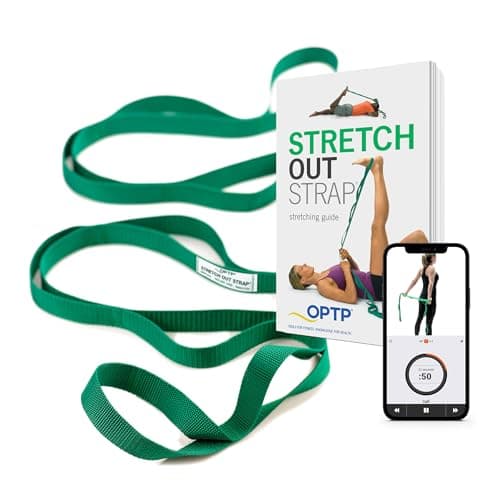
OPTP
$19
External seller link. Confirm price, availability, and terms on the seller site.
Quick answer
The Original Stretch Out Strap is useful when it makes gentle, repeatable practice easier. It should not replace strength work, walking, sleep, or medical guidance when symptoms are unclear.
Decision rail
OPTP / Stretching Aids · The Original Stretch Out Strap
Not a rating. A buying boundary.
Use when
People using The Original Stretch Out Strap for controlled stretching around targeted self-massage, warm-up, or short recovery breaks
Start here if the fit problem matches your real use case.
Skip if
You have acute symptoms, numbness, or recent injury that needs professional guidance
A useful catalog should also tell you when not to buy.
Evidence posture
Practice-based evidence posture
Claim details live below; do not read this as a cure or performance promise.
Buying context
$19 · reviewed Jun 2026
Compare the tool against simpler alternatives before paying for features.
The Original Stretch Out Strap is useful when it makes gentle, repeatable practice easier. It should not replace strength work, walking, sleep, or medical guidance when symptoms are unclear.
Compare retailersWhere this tool actually fits
For browsing and safe-use context, not diagnosis. Start with common targets, treat caution zones as optional and gentler, and skip avoid zones.
Surface map
0
common
1
caution
1
avoid
Front
Chest, abdomen, quads, hip flexor side of the body.
Back
Upper back, spine-adjacent tissues, glutes, hamstrings, calves.
Side
Outer hip, lateral thigh, side ribs, and other side-body areas.
No target cue listed for this surface.
Plantar
Bottom of foot and sole contact only.
No target cue listed for this surface.
The surface labels are intentionally coarse. They help decide whether this tool belongs near an area at all; they do not diagnose symptoms, prescribe treatment, or mark exact anatomical structures.
Likely fit when pressure stays tolerable and the area is a broad muscle or simple contact surface.
Smaller, sensitive, bony, nerve-rich, or easy-to-overdose areas. Start gentler or choose another tool.
This massage-tool category does not have a reviewed product-specific map yet. Start with broad, non-bony muscle areas only if pressure stays tolerable.
Dose cue: Use the lowest useful dose and retest movement afterward.
Not a good self-massage target for this tool without qualified clinical guidance.
Avoid front neck, throat, numb areas, acute injury, and any symptoms that worsen with pressure.
Claim boundary: Self-massage tools can provide pressure, sensory input, short-term comfort, and movement-awareness practice. They are not cures, tissue-repair devices, injury treatments, or substitutes for medical care, rehab, sleep, training changes, or progressive loading.
Stop rule: Stop if pressure causes sharp pain, numbness, tingling, spreading symptoms, dizziness, unusual swelling, skin irritation, discoloration, or worse movement afterward.
Product sensation scale
Orient
Light contact, breathing, and body-map attention before adding intensity.
map first
Useful input
Clear sensation that still lets you breathe, relax, and retest movement.
retest after
Strong dose
Brief, specific, and optional. Do not make pain-chasing the default setting.
short only
Back off
Numbness, guarding, sharp pain, swelling, or worse motion means stop and reassess.
stop / reassess
Stretching tools should support gradual exposure, not force range. Keep sensation tolerable and retest movement quality afterward.
Measurement check
Use the known numbers and missing readings to decide fit, pressure dose, and transition demand before buying.
How to use these measurements
The Original Stretch Out Strap is being evaluated for how it delivers pressure: contact width, material hardness, and whether the intensity can stay breathable.
Buying decision:Choose this kind of tool if firm pressure still lets you breathe and retest movement. Skip it if the useful sensation quickly turns into guarding, numbness, or pain chasing.
What we know
The relevant variables can be explained now, but pressure dose should not be scored until the exact attachment is measured.
Still needed
Contact hardness is still unpublished, so it needs the right durometer or compression test instead of repeating “high density” copy.
shore durometer
Not captured yet
WBC bench task
Next measurement: Use the appropriate durometer scale for the material: Shore A/D for rubber/plastic, Shore OO/C or compression testing for foams.
Hardness explains why a tool feels useful, tolerable, or too aggressive better than generic ‘deep tissue’ copy.
contact area
Not captured yet
WBC bench task
Next measurement: Record diameter or contact patch under light bodyweight so pressure dose is visible.
Small contact areas concentrate pressure; broad rollers distribute it.
Editorial take
Stretching aids are best supported as practical setup tools. Evidence is stronger for gradual loading and consistent mobility practice than for product-specific outcomes.
The Original Stretch Out Strap is useful when it makes gentle, repeatable practice easier. It should not replace strength work, walking, sleep, or medical guidance when symptoms are unclear.
Where to Buy
Used, handmade & local
Marketplace links refresh through WBC's used-market endpoint, but listings are still external search pages — not endorsements.
Marketplace caveat
The original multi-loop stretching strap trusted by physical therapists since 1993. A 6-foot nylon strap with 10 sewn-in loops for progressive, controlled stretching of hamstrings, calves, shoulders, and more.
A simple, durable stretching strap with an included exercise guide — useful when you want repeatable positions without gadget complexity.
The Original Stretch Out Strap helps make stretching, positioning, or mobility practice easier to dose. It should support gradual exposure and better options, not force range of motion or promise pain relief.
Start with easy ranges, slow breathing, and repeatable positions. Keep the sensation tolerable and ask whether the tool improves movement quality afterward rather than whether it creates the strongest stretch.
Skip aggressive stretching with acute pain, nerve symptoms, recent injury, unstable joints, or symptoms that increase as you hold the position. Use smaller ranges or get assessed if the response is unpredictable.
The Original Stretch Out Strap is best for people using the original stretch out strap for controlled stretching around targeted self-massage, warm-up, or short recovery breaks; users who want clearer positions and repeatable setup than improvised straps or props; beginners who benefit from slow, measurable exposure rather than forcing range. Use that as a fit signal, not a promise that the tool will solve the problem by itself.
Consider skipping The Original Stretch Out Strap if you have acute symptoms, numbness, or recent injury that needs professional guidance; you push stretches to high intensity instead of staying within tolerable effort; you would do just as well with a cheaper strap, towel, wall, or floor setup. A simpler, cheaper, or lower-intensity option may be better if the use case is not clear.
Stretching aids are best supported as practical setup tools. Evidence is stronger for gradual loading and consistent mobility practice than for product-specific outcomes.
OPTP

StrongTek

Correct Toes

IdealStretch

Medi-Dyne
